$34
Stocked backpack — one student, all year
Backpack, full supply set, lunchbox. Wholesale kit $10.78–16.99; the margin covers assembly, routed delivery and the photo receipt.
THE FLAGSHIP · PILOT #1 · ONE PASSAIC PARTNER SCHOOL
A chesed organization in formation · Passaic, New Jersey
People will buy a child a backpack. They won’t research the school, price the supplies, compare stores, source at wholesale, assemble the kit, drive it over and prove it landed. Nosei B’Ol exists to run those errands. Our main goal is tuition; the catalog around it funds, sources and delivers everything else a family carries.
EVERY FIGURE ABOVE IS REAL AND SOURCED. THIS SITE IS INFORMATIONAL — THE ONE SIMULATED PART IS CLEARLY MARKED AS A DEMO.
The mission
Nosei b’ol — bearing the burden with another. Tuition is the heaviest burden a frum family carries, and the catalog is every other one.
A tuition fund that pays scholarship grants directly to the school. Families are chosen by the school’s own committee, by its own documented need criteria. We never see a family’s file and never meet the family. Dignity intact end to end.
Starts with the mosdos we know personally — relationships first, then a template any school can join.
How a tuition grant works →Concierge giving: the $34 stocked backpack, the Yom Tov box, the wheelchair — sourced at wholesale, assembled by volunteers, hand-delivered, and photographed. Launching in Passaic, partner-first.
The wraparound rule: a tuition family is a catalog family. Scholarship families get first priority on every campaign, routed through the partner orgs that already know them.
See what we fund →The problem it solves
Between a donor’s intention and a family’s front door sit a dozen small errands. Nobody runs them as a service. So generosity leaks: people give less, give vaguely — “here’s $50” — or don’t give at all. Not because they don’t care, but because caring is the only part that’s easy.
Nosei B’Ol exists to run the errands.
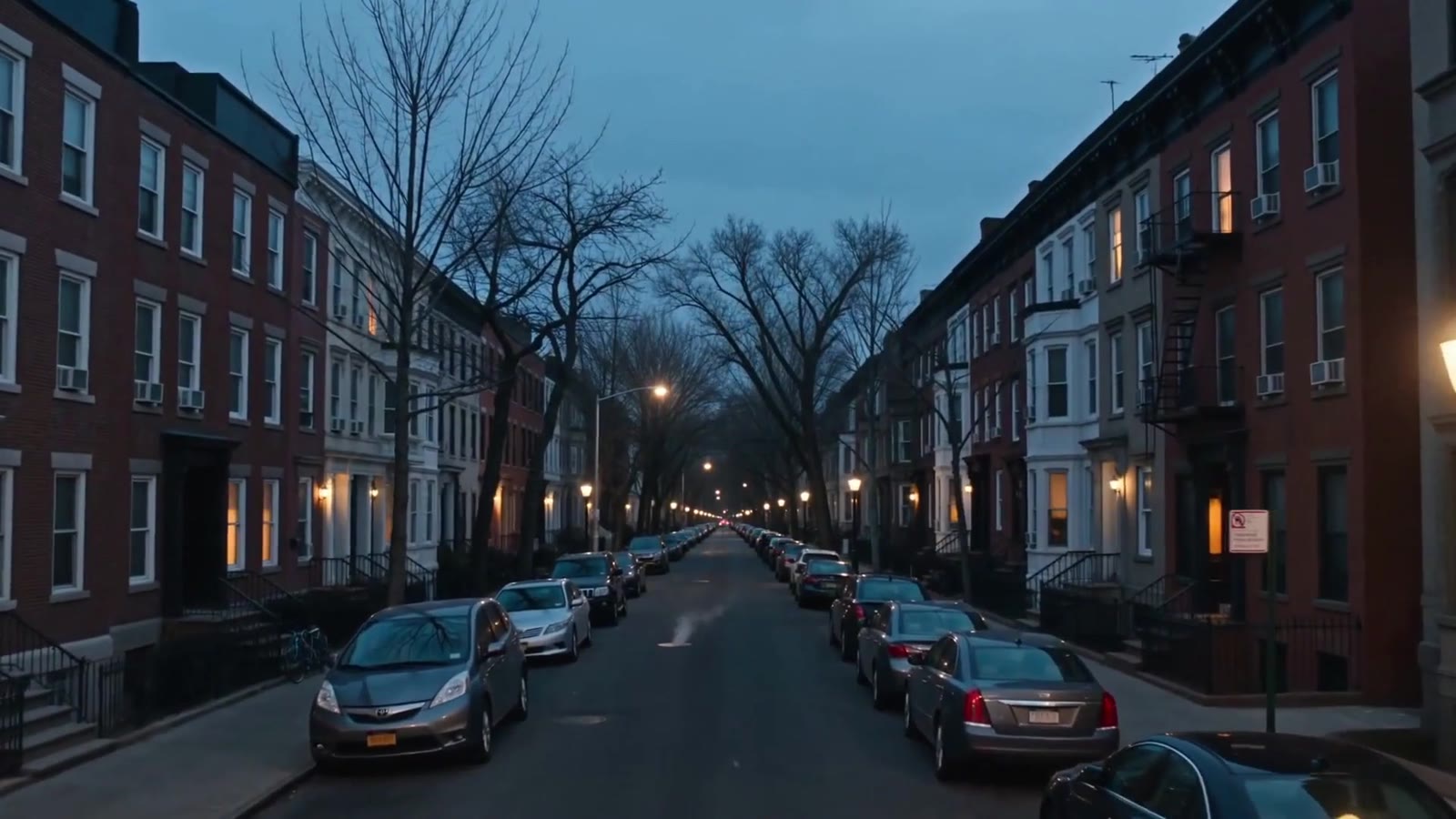
Every one of those windows is a family doing this arithmetic. The errands between a donor’s intention and one of these front doors are the whole job.
The model
Everything downstream — sourcing, assembly, delivery, proof — is ours. No forms, no follow-up, no guilt trail.
A dollar amount is a hole; an object is a picture. Every need is a priced, itemized unit with a manifest — a SKU of chesed.
That gap is the reason to give through us — a headline, not a footnote. And it is published only from our own invoices. Nothing is claimed until it’s true.
You enter a ZIP; the catalog sorts by distance. Real, local, near — “3.2 miles from you” does work no copy can.
You pick a priced unit with the full item manifest visible, and the partner organization it lands through.
We buy the case-pack at wholesale. Volunteers assemble kits on a build day in a borrowed shul hall.
Volunteer drivers hand-deliver. Every donor gets a dated photo receipt within 72 hours.
Donors don’t churn from organizations that show them the delivery. The receipt closes the emotional loop the same week the gift was given — it is the retention engine, the trust engine and the second-ask engine in one.
IRS Publication 3833 is the legal spine of concierge giving. A gift earmarked for a specific person is not deductible. Eligibility comes from documented intake criteria and partner referrals. Tuition grants follow the same spine: the school’s committee selects, and we pay the school — never a parent, never a named child.
The published wholesale gap comes only from our own invoices, recomputed quarterly — never from a vendor’s list price. The demo figures on this site stay flagged as demo until the first pilot replaces them with real ones.
Exemption certificates used with organization funds only — never a personal card, even when reimbursed. We sell nothing, so sales-tax collection duties stay off the table.
Shabbos-type food deliveries run on code numbers: no names on the packing floor, no photos. Photo receipts are for non-confidential program deliveries only; reporting to donors on confidential programs is aggregate.
Our frum beneficiary focus is disclosed plainly in every appeal. Kars4Kids’ fines are the cautionary tale; Chasdei Lev’s published, defensible claim is the ceiling of credibility we aim at.
The evidence · verified August 2026
An elementary stocked school-supply kit, same product class, three prices we can actually cite:
52% below retail, 64% below list — before a single donated volunteer hour. Honest math across products: roughly 30–55% below in-season retail, wider off-season.
This calculator does one honest thing: it compares how many school-supply kits a given amount stocks at our verified case price versus the verified retail price of the same class of kit. It is not a claim about our overhead.
The donor unit price of $34 is higher than the case price because it also covers assembly, routed delivery and the photo receipt. We publish that split, and we publish it from our own invoices. Planning figures until pilot #1 is invoiced.
Tomchei Shabbos of Lakewood publishes that committed wholesale buying yields “50% off retail price.” Chasdei Lev distributes $13M+ a year in goods to 7,034 rebbi families at “a quarter of the standard price.” Passaic’s own Passover Fund markets “every $1 = $2 in value.” The model is proven — locally. Our rule is simply that we publish our gap only from our own invoices, recomputed quarterly.
What we have not published, because we cannot yet source it: our own cost-per-kit. That number arrives with pilot #1’s invoices, and this page changes the day it does.

A case price, a shipping box, and somebody to carry it in. This is the part nobody runs as a service — and the reason the published gap is the headline, not the footnote.
Launch community
Passaic’s chesed infrastructure is mature and crowded on food and lending — roughly $2.5M a year flows through the incumbents. That is a fact to respect, not to compete with.
| Organization | Scale (FY2024) | What they do | Our read |
|---|---|---|---|
| Tomchei Shabbos of Passaic-Clifton | $1.26M · 195 families | Weekly food via grocery accounts plus volunteer parcel delivery. 35 years, zero paid staff. | Partner They hold the trusted recipient lists. |
| Passaic Clifton Passover Fund | $907k · ~600 families | Bulk Pesach food distribution. Already markets “every $1 = $2 in value.” | Overlap Don’t launch a Pesach box against them. |
| JFS of Clifton-Passaic | $7.4M | Professional casework, counseling, food pantry, benefits clearinghouse. | Partner Referral anchor with real case managers. |
| Bikur Cholim of Passaic-Clifton | $374k | Meals, rides, respite — and a free medical-equipment gemach, wheelchairs included. | Partner Fund their fleet; never duplicate it. |
| Passaic-Clifton Gemach | $154k · $1.05M assets | Interest-free loans up to $15,000 to any community member. | Complementary The cash lane is covered. |
| 22+ gemachs & chesed groups | — | Baby gear, gowns, Chaverim, Hatzalah. Lendable durables largely covered. | Ecosystem Organized and rabbinically gated. |
ALL FIGURES: THE ORGANIZATIONS’ OWN IRS FILINGS VIA PROPUBLICA, FY2024.
The white space
Nosei B’Ol is the sourcing, assembly and proof-of-delivery layer for the chesed Passaic already trusts — and the first place a donor can pick a real, priced, local need and watch it land.
Partner-first: we ride the incumbents’ vetted, confidential recipient lists. We never rebuild them — we shouldn’t, and we couldn’t.
Partner with us →| Original idea | What the research found | The partner-first version |
|---|---|---|
| Wheelchair loan program | Bikur Cholim already lends wheelchairs and equipment free | Fund a wheelchair for their gemach — ~$199 new, $59–70 refurbished — with a photo of it entering service |
| Pesach food box | The Passover Fund is a ~$907k/yr operation with wall-to-wall rabbinic backing | Become their donor channel, or offer the Sukkos and Rosh Hashana extras they don’t cover |
| Weekly food support | Tomchei Shabbos: $1.26M, 195 families, 35 years | Bulk-source their non-food staples; run their special-item drives as priced units |
| School backpack kits | No frum program exists — verified gap | Ours. The flagship. One partner school, before school starts Sept 2. |
With no local federation umbrella — it merged into JFNNJ in 2004 — rabbinic endorsement is the gate. The Passover Fund’s model, “approved by Rav Meir Stern shlita” plus a dozen rabbanim, is the template our own vaad has to follow before the first public ask. We will not run a public campaign without it.
| Area | Phase | Anchor players | Our angle |
|---|---|---|---|
| Passaic, NJ | NOW — home base | Tomchei Shabbos $1.26M · Passover Fund $907k · JFS $7.4M | Fulfillment and donor-experience layer |
| Queens — Kew Gardens Hills | Months 6–12 | Tomchei Shabbos of Queens: ~500 families/week, all-volunteer | Same partner-first playbook, second chapter |
| Brooklyn | Year 1–2 | Met Council $42.9M · Masbia ~$4.8M · Chasdei Lev $13M+/yr in goods | Never compete citywide — one neighborhood school, one partner org |
| Five Towns | Year 1–2 | Tomchei Shabbos–Yad Yeshaya $1.57M · Achiezer $2.7M | Donor-rich: recruit donors and matchers here before recipients |
| Monsey / Lakewood | Year 2+ | Tomchei Shabbos of Lakewood $20.5M/yr · Oorah $47.1M | Expansion once the model is proven and staffed |
RULE OF THUMB: WE ENTER A COMMUNITY ONLY WHERE A NAMED PARTNER ORGANIZATION AND A NAMED ROV HAVE SAID YES FIRST.
Pillar 2 · the product
Four units to start. Each one names the partner organization it lands through, and each price is a planning figure until our first invoices land — this page will say so until they do.
Backpack, full supply set, lunchbox. Wholesale kit $10.78–16.99; the margin covers assembly, routed delivery and the photo receipt.
THE FLAGSHIP · PILOT #1 · ONE PASSAIC PARTNER SCHOOL
Street-verified K1 price, with a $59–70 refurbished option. Bikur Cholim of Passaic-Clifton keeps title and runs the lending — we fund and deliver it.
PARTNER: BIKUR CHOLIM OF PASSAIC-CLIFTON
Matches Masbia’s published family grocery package — $72 is four times chai. Timed with Tomchei Shabbos to fill the gaps they don’t cover, never to duplicate them.
PARTNER-REFERRED · SUKKOS & ROSH HASHANA FIRST
Diapers, layette and essentials at case price, through the existing baby gemach network. Planning figure — this one is the least sourced of the four.
PARTNER: THE BABY GEMACH NETWORK
The item manifest, the organization it lands through, the distance from your ZIP, and last quarter’s published gap from our own invoices. You can try that interface in the demo — it runs on simulated listings, and it says so on every card.
Pillar 1 · the main goal
Tuition commonly runs $5,000–$10,000+ per child. A family with five children in yeshiva, Bais Yaakov and cheder can face $25,000–$50,000+ a year — and it lands hardest in exactly the years parents earn least. This is the part of it we can actually carry.
Watch The Arithmetic — our 2-minute film on what tuition actually costs a family

New York spends $31,918 per public-school pupil — more than any state in the country, and districts outside New York City plan $37,033 for 2026–27. A frum family pays out of pocket to educate its own children and pays the school taxes funding that $31,918. Every number in that sentence comes from the Census Bureau or the Empire Center. We do not need to estimate anything to make this point.
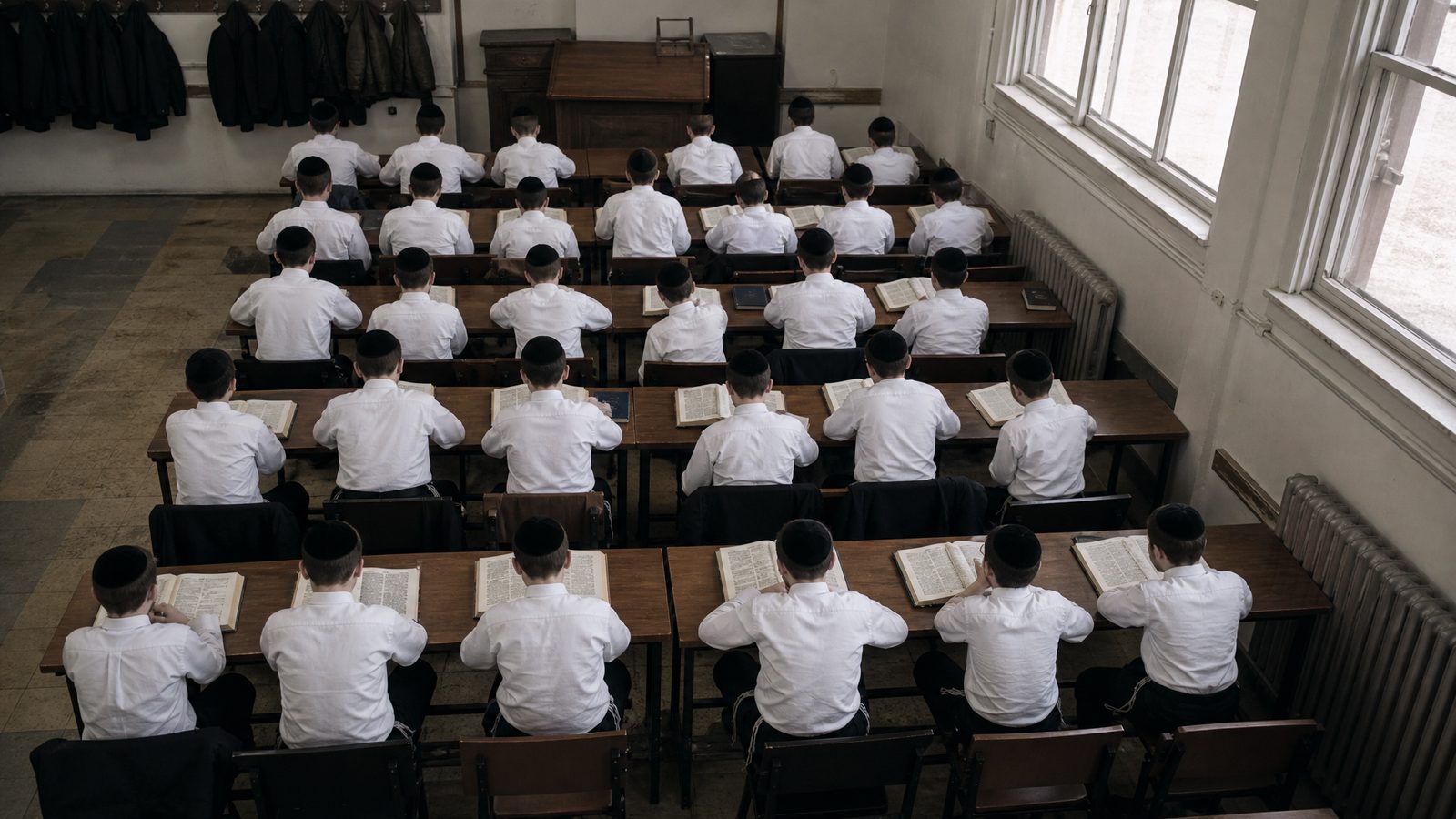
What makes it hard to be angry at anyone
A cheder’s tuition does not cover what it spends per child. The difference is closed by dinners, by appeals, and by a small number of families quietly paying more than their share. When that isn’t enough, the shortfall doesn’t disappear — it moves. It moves onto the rebbi, who is paid late. Onto a father working a second job he doesn’t mention. And onto the parent who sits in an office and explains his finances to a neighbor.
That last one is the part nobody talks about. Not the money — the asking.
The goal: no child’s chinuch — yeshiva, mesivta, Bais Yaakov or cheder — should depend on what their parents can pay that month.
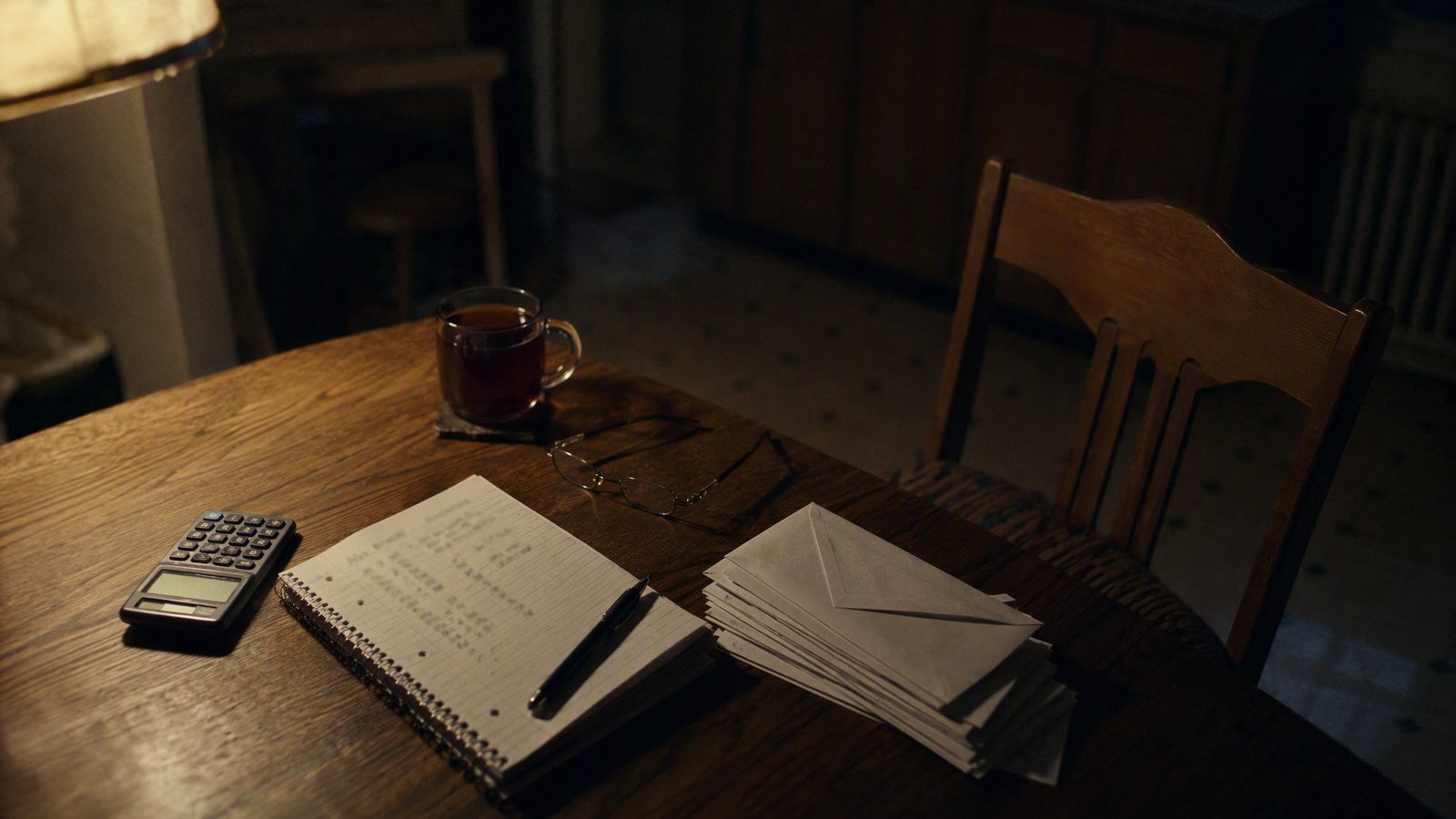

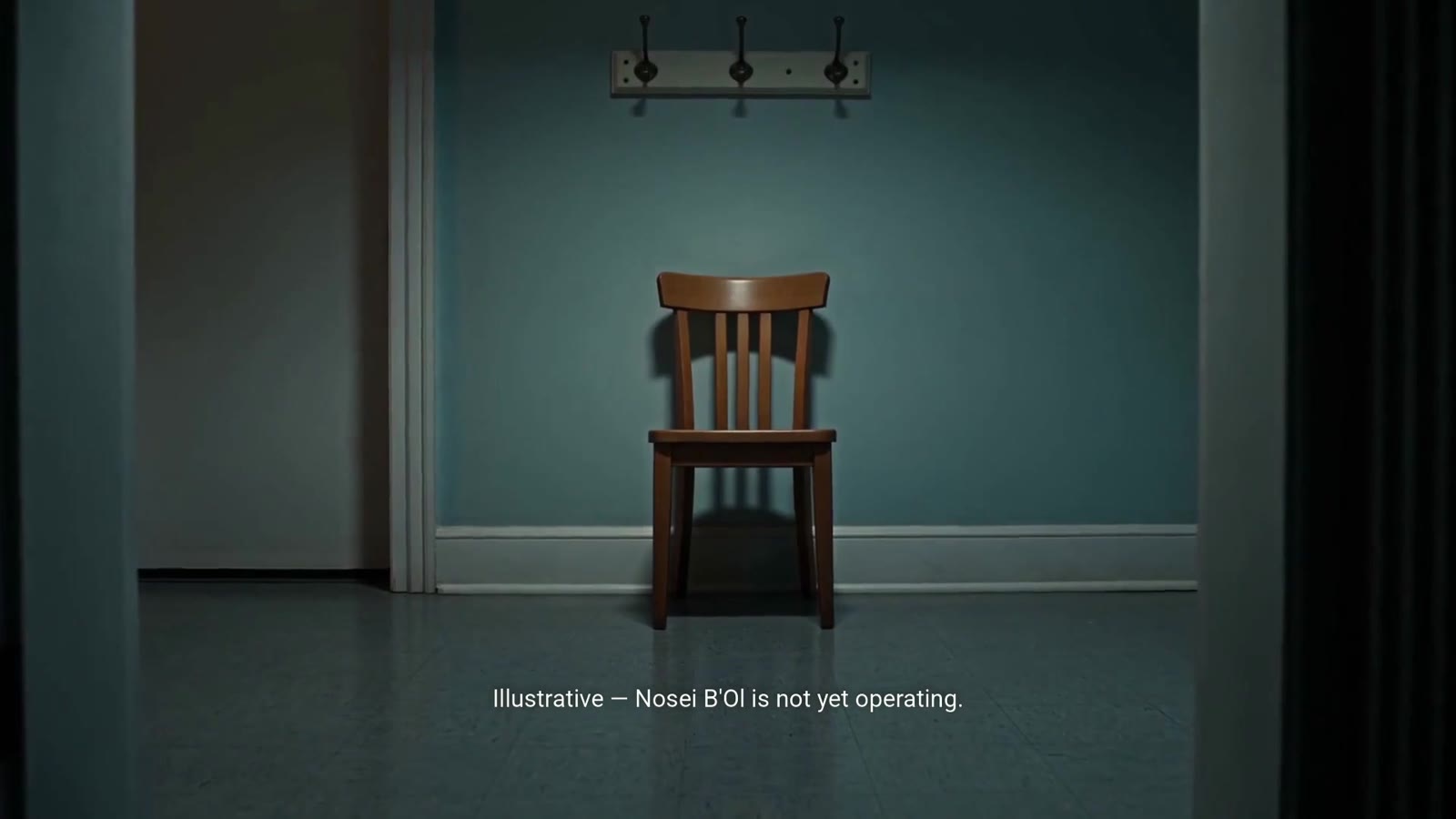
This is the outcome we exist to prevent. Not a deficit on a spreadsheet — an empty chair in a room that was supposed to be full.
The mechanism
The same three rules as everything else we do — one decision, a priced unit, published proof — applied to schar limud.
A gift earmarked for a specific person is not deductible. This is the IRS earmarking rule and the charitable-class requirement of Publication 3833 — and it is rule 1 of this organization.
By its own documented need criteria. They already know who needs it, confidentially. We do not see the files and we do not meet the families.
Never the parent. The grant credits that family’s tuition account.
A school-countersigned credit confirmation goes to the donor — the 72-hour receipt, in a dignity-safe form.
The donor units
Ranges are planning figures until the first school MOUs calibrate them. All asks in chai multiples, maaser-eligible with the vaad’s haskamah.
The entry rung, and the pilot. Every tuition donor’s first taste of proof-of-delivery.
Thirty times chai. The monthly-donor flagship: recurring, concrete, school-verified.
Three hundred times chai. Named-gift territory: “the ___ family scholarship,” one child, one year.
The committee names the gap between a family’s ability and full tuition; one donor, or a few, closes it. Anonymized, committee-verified, school-paid.
THE WRAPAROUND RULE: A FAMILY ON THE LADDER GETS FIRST PRIORITY ON BACKPACKS, YOM TOV BOXES AND CLOTHING CAMPAIGNS — THROUGH THE PARTNER ORGS THAT ALREADY KNOW THEM.
The Educational Choice for Children Act, signed July 4, 2025, gives any taxpayer a dollar-for-dollar federal tax credit of up to $1,700 — a credit, not a deduction — for giving to a qualifying Scholarship Granting Organization. Roughly $5 billion a year, nationwide.3
It only works in states that opt in. On May 7, 2026 Governor Hochul told Agudath Israel leadership that New York intends to, confirming it publicly the next day, conditioned on reviewing the IRS regulations. Governors have until January 1, 2027 to certify.4
Three of the statute’s requirements describe this organization as it already exists: the SGO must be a public charity, must spend at least 90% on scholarships, and may not let a donor earmark money to a named student. We published the 91¢ target and the programs-not-people rule before the law existed. We did not design toward it — we arrived at the same place independently.
Scored at $25.9B over ten years by the Joint Committee on Taxation.
Roughly $405,000 for a family of four in the NYC area.5 The exact threshold awaits IRS regulations.
Nosei B’Ol is not a Scholarship Granting Organization, and a gift today does not earn this credit. The credit begins with tax year 2027 and we are not certified. Standing it up requires at least two signed school MOUs — we have zero — and careful public-support arithmetic. When and if that status is secured, this page will say so, with the determination letter attached.
THE ARITHMETIC — 2 MIN 17 SEC • WHAT TUITION COSTS A FAMILY, AND WHAT A DONATED LINE ITEM ACTUALLY PAYS FOR • ILLUSTRATIVE: NOSEI B’OL IS NOT YET OPERATING
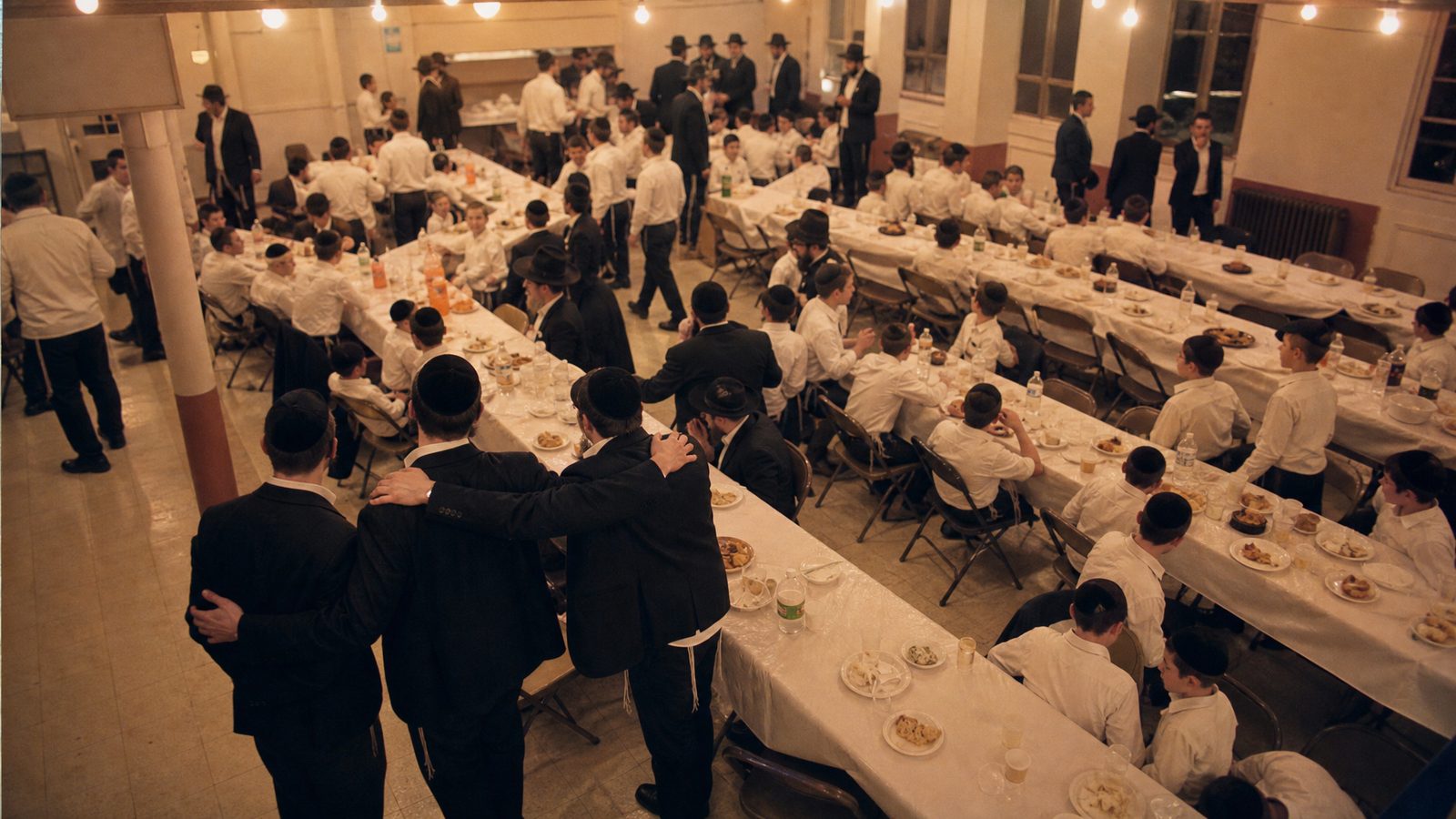
What we could not source, and therefore did not print: published chassidish or yeshivish tuition schedules, cost-per-pupil at frum schools, and rebbi compensation. All three are universally discussed and none are published. We are collecting them from schools directly and will publish what we can verify — including the invoices.
The launch plan
School starts in weeks and we are not yet incorporated — no entity, no charities registration, no public solicitation permitted. That kills a public August campaign. It does not kill a private pilot: family-funded, no public ask, fully legal.
Roles, formation, the money framework and the 30-day calendar. Done.
Recruit the board, meet the partner organizations, get three written sourcing quotes, order pilot kits. New Jersey first — the program hub is Passaic.
Pilot backpacks delivered before or with the first day of school. Privately funded.
Tishrei partner boxes — private pilot #2, filling gaps the incumbents don’t cover.
The rabbinic vaad seated, partner MOUs signed, endorsements in hand.
The first time we ask the community for anything.
Public solicitation legally requires charities registration — NY CHAR410 or NJ CRI — and honestly requires a rabbinic vaad, a signed partner MOU, and real invoice numbers to publish. All of that is achievable by Kislev, and Chanukah is a natural giving window with matched-campaign precedent. Until then, the only money we take is founding support from people who know exactly what stage we are at.
Pilot #1
Objective. 100–200 fully stocked backpacks to one Passaic partner school, delivered for the first day of school. Small enough to do perfectly, real enough to produce our first true invoice numbers.
Funding. Private — our own staged founder money. No public ask, so no registration required yet. This is the legal bridge that lets us act in August.
Sourcing. Three written quotes. Planning figure $11–17 per kit landed.
Partner. One school, vetted in person, signed MOU: distribution rules, no fee to recipients, photo permissions.
Build day. One Sunday in a borrowed shul hall. Line layout, QC station. Benchmark 20–40 kits per volunteer-hour, after a timed trial.
A rov, a CPA, an attorney, a wholesale/logistics professional, a respected philanthropist, a recipient-community voice, and an independent chair. Neither brother chairs. We hold officer roles, sit on the board, and are outvoted by design.
Two or three rabbanim, quotable on every flyer. In Passaic this is the actual trust currency, and no public campaign runs before it exists.
Not until external revenue reliably covers them — and then only with independent directors setting pay against written comparability data. Both founders keep their current income meanwhile.
Not one lump sum. A single donor’s gifts count toward the public-support test only up to 2%, and a lump-sum founding gift pushes an organization toward private-foundation classification — which would disqualify us from the ECCA scholarship track entirely.
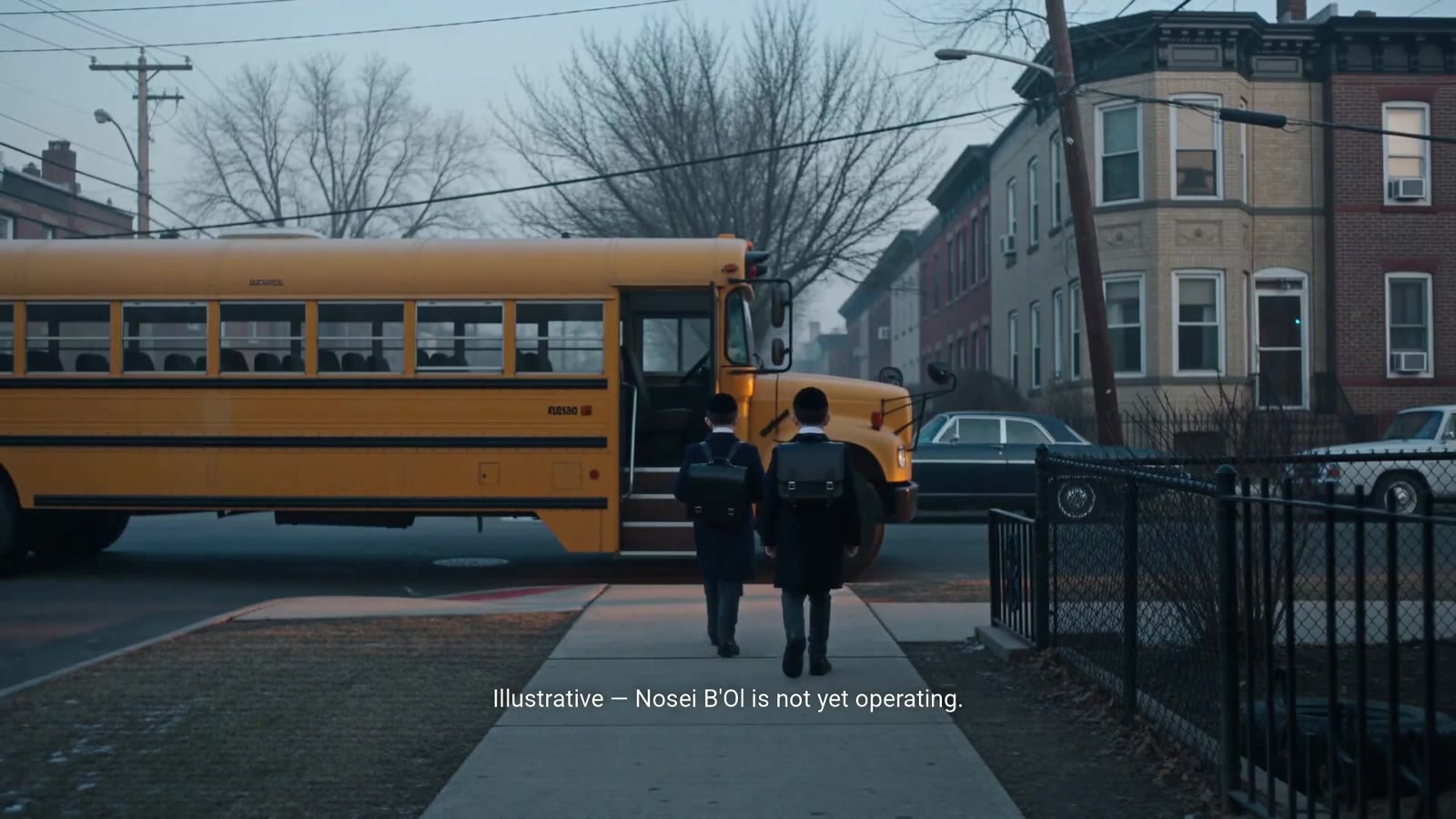
Day one. The whole point of the first pilot is that the backpacks are already on the desks when this morning happens.
Founding support
We are not running a public campaign yet — that starts at Chanukah, after registration. What we are doing is letting the people who want to be part of the start actually be part of it. Every dollar given now goes into pilot #1: backpacks on desks in Passaic before school starts.
Nosei B’Ol is in formation. It is not yet incorporated and does not yet have 501(c)(3) status, so a gift today is not tax-deductible. We are not asking you to pretend otherwise. If a deduction matters to you, use the “ask me later” option below and we will come back to you the moment the determination letter is in hand. Founding gifts are used for program costs — kits, sourcing, delivery — not founder salaries, of which there are none.
ALL AMOUNTS IN CHAI MULTIPLES · MAASER-ELIGIBLE PENDING THE VAAD’S HASKAMAH · NO GIFT IS EARMARKED TO A NAMED CHILD, EVER
Hands, not just money
A volunteer hour is valued at $36.14, so a forty-person build day is roughly $2,900 of donated labor. And 62% of donors are recent volunteers — the packing line is the donor pipeline. Both forms below are live and reach us directly.
Assemble kits on a build day. Two-hour shifts, no experience needed, a line layout that makes it obvious.
Hand-deliver to the partner organization or the school. You are the last mile.
Shoot the delivery so every donor gets a real photo receipt inside 72 hours.
Check every kit against the manifest before it ships. Precision chesed for people who like checklists.
The hall, the tables, the line. The least glamorous and most load-bearing job we have.
Partner outreach, thank-you calls, follow-up. This is how a first campaign becomes a second.
High schools require 18–30 documented chesed hours a year, on the transcript. We intend to be a certified chesed-hour site — class-sized shifts and supervisor letters on our letterhead. Rebbeim and teachers: the partner form below is the fastest way to ask about bringing a class.
Tell us which lanes you can cover. We’ll come back with real dates, not a mailing list.
We’ll be in touch with a real build-day date.
If you run a chesed organization, a gemach, a school or a scholarship committee, this reaches the founders directly. Partner-first is the whole strategy — we want to be your fulfillment layer, not a competitor for your donors.
One of us will follow up personally — this is the inbox we watch most closely.
The honest update list: you’ll hear when we incorporate, when the first pilot delivers with real invoice numbers, and when public giving opens at Chanukah. We publish the misses too. Never shared, never sold.
Keep me posted →Volunteer drivers in their own cars are the model’s biggest liability gap; the federal Volunteer Protection Act does not cover driving. Rules from day one: 21+ for solo deliveries, licence and insurance verified, a motor-vehicle-record check, a signed agreement — and hired & non-owned auto coverage in place before the first route runs.
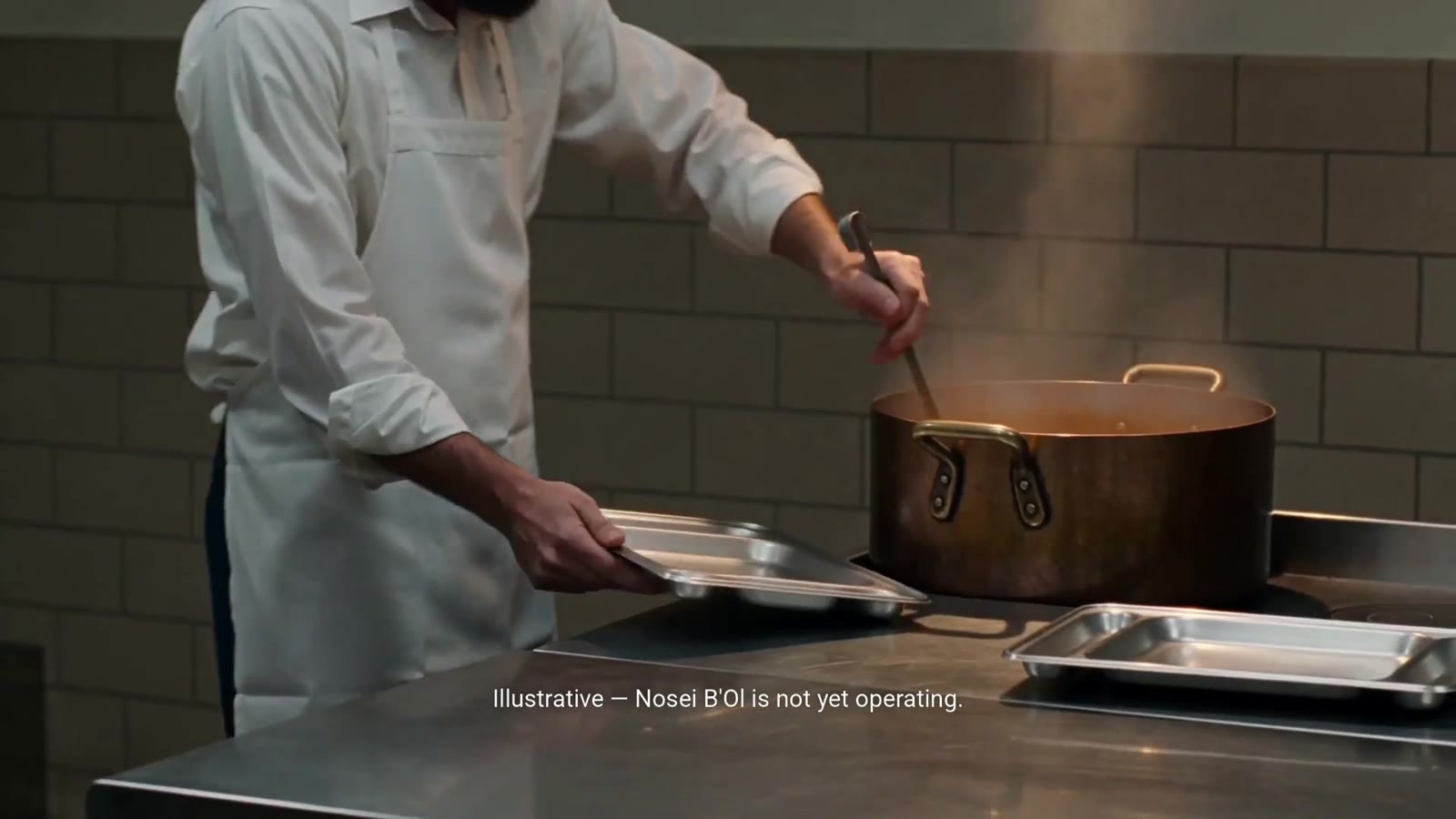
Somebody has to be standing here. That is what the volunteer lanes above are for — and a build day is the same picture with backpacks instead of trays.
The demonstration
Everything above this line is real and sourced. Everything below it is a working prototype on simulated listings — so you can see exactly what the platform does before we have real inventory to put in it. Nothing here takes money. No organization named below has agreed to anything.
Demo 01 · the matching engine
Enter a ZIP and the catalog re-sorts by great-circle distance. Chesed begins closest to home. The listings and progress bars are fabricated for this demo.
Enter a ZIP to see how close each need is to you.
Demo 02 · the transparency dashboard
Charity brands ask for trust; logistics companies prove performance. This is the format we will publish our numbers in — the numbers themselves are placeholders until pilot #1 produces real ones.
Every route ends at a doorstep. The driver marks the specific need fulfilled — unit by unit.
A dated photo, countersigned by the receiving organization. Confidential deliveries are excluded by rule.
The signed photo receipt goes to every donor associated with that delivery, within 72 hours.
Demo 03 · Chesed-Match
Neighbours post a request on behalf of someone who needs a hand: a grocery run, a clean house, a seat at a Shabbos table. Every card is anonymized. This board is real and it starts empty — which is exactly how it should start. Posting sends the request to the chesed desk for review and shows you a preview card on your own browser.
EVERY REQUEST IS POSTED BY A COMMUNITY MEMBER ON BEHALF OF SOMEONE ELSE, REVIEWED BY THE CHESED DESK, AND SHOWN WITHOUT NAMES. NUMBERS CONNECT YOU TO THE POSTER, WHO MAKES THE INTRODUCTION.
Demo 04 · the Nesivos site plan
No land has been bought. No building exists. This is a design study, and every build percentage in it is invented — it shows how we would report progress if there were any. What Nesivos actually is →
HOVER ANY PARCEL FOR ITS SIMULATED STATUS — CLICK TO PIN IT TO THE PANEL.
The horizon
Everything else on this site builds a chesed engine with real numbers, real donors and real trust. Nesivos — a summer camp that grows into a year-round frum community on land we choose — is what that engine is ultimately for. It is deliberately not a now conversation, and it is not what we are raising for today.
No land is owned. Nothing is built. Nesivos activates only at a hard gate: a 501(c)(3) determination letter, a $250,000 annual run-rate, and a thousand-donor file — years away. The land research is finished: the Long Lake parcel was investigated and rejected for cause (Adirondack Park Agency zoning made shops, schools and shuls categorically unpermittable), and a verified tri-state shortlist of candidates exists. Every rendering below is a rendering.
NESIVOS — THE VISION FILM • 2 MIN 1 SEC • EVERY FRAME IS A RENDERING OF WHAT WE INTEND TO BUILD, NOT OF ANYTHING THAT EXISTS
600 beds, phased up from 200. The revenue and awareness engine that funds everything after it.
Mikvah first, then the shul, the schools, the kollel. Institutions before houses.
Roughly 120 deed-restricted homes and a Main Street, with affordability tied to income rather than speculation.
Institutions before houses. Camp before both. Chesed engine before everything.
AMBIENT RENDERING LOOP • 40 SEC • SILENT

Built oversized on purpose, so the town grows into them rather than out of them.
The anchor of the grid, and the first institution after the mikvah.

Bunkhouses and rec fields on the water. A thousand families walk the land every summer before a single house is built.

The update list has a Nesivos option. You’ll get the site search, the parcel shortlist and the gate progress — unfiltered, including the setbacks. Joining costs nothing and commits you to nothing.
Join the update list →Behind the site
This section updates as things actually happen. When we miss a date, we say so here.
SUMMER 2026
A 21-page master plan plus ten commissioned research reports: formation law, fundraising law and platforms, operations and compliance, budgets, camp economics, community case studies, tuition, and a tri-state land survey. Every figure sourced.
SUMMER 2026
Two brothers. It is a ceiling rather than a lump sum, and it enters staged, on purpose: organizational plumbing gets paid for by us so that early donations go to needs.
AUGUST 3, 2026
One founder owns Programs — sourcing, partners, build days, delivery and the catalog. One owns Money — donors, books, filings and the board relationships. Written down, because founder disagreement is a real risk and a written split is the mitigation.
AUGUST 2026
Chosen after mapping the incumbents’ own IRS filings. The strategy is partner-first because the research says the food and lending lanes are already well covered, and the sourcing, assembly and photo-proof layer is the verified open one.
NOW
New Jersey not-for-profit incorporation — the program hub is Passaic and NJ registration is triggered by operating there regardless — then the EIN, a real board with an independent majority, and Form 1023. New York gets added the day we solicit in Queens or Brooklyn. Counsel confirms before filing.
NOW
In Passaic, rabbinic endorsement is the gate — not a nice-to-have. Two or three rabbanim quotable on every flyer, plus introductions to Tomchei Shabbos of Passaic-Clifton, JFS and Bikur Cholim, and the first tuition conversations with the hanhala of mosdos we know personally.
BEFORE SEPTEMBER 2
One partner school, three written quotes, one build day, privately funded. This is where the site’s demo numbers get replaced by real ones.
CHANUKAH, DEC 4–12
We do not solicit publicly before registration is complete. Founding support from people who understand the stage is a different thing, and it is disclosed as such everywhere it appears on this site.
AFTER THE IRS DETERMINATION
Real listings, real prices with published sources, real photo receipts, and gifts that are actually tax-deductible. Until then the catalog interface lives in the demo, clearly labeled.
We are not incorporated. We have no EIN, no bank account, no 501(c)(3), and zero signed school MOUs — two of which the federal scholarship-credit track requires. We have not delivered a single kit. We have never run a public campaign. Everything on this page that reads like an accomplishment is either a document, a decision, or a plan with a date on it.